

With the Covid-19 pandemic, a lot of new terms entered our daily vocabularies. For the world of sports, a word that commonly follows conversations related to the pandemic is ‘bio-bubble’. While it may bring mixed feelings, it ultimately communicates a ‘reluctant acceptance’ of normality in sports. For some athletes, it paints a picture of lovely solitude, and for some it is portrayed as a room of loneliness. Ever since sports have re-started post-pandemic, many athletes who have undergone the bio-bubble experience have spoken out about the difficulties and challenges they have faced.
Some of the challenges that cricketers have experienced are:
- Monotony and repetitiveness. Cricketers have experienced the repetitiveness and monotony of such a restricted lifestyle. This in turn leads to distaste even for things you love, such as cricket, again just because of the repetitiveness.

- Mental health risks. Those experiencing mental issues already are at greater risk of downward spirals. ‘Extreme burn-outs’ have been stated as risks of the bio-bubble experience by experts in the field. High expectations from the bio-bubble experience and over-stimulation from the large quantity of information available can lead to a mental exhaustion, which in turn can lead to a dip in performance. Claustrophobia, anxiety and depression can all be triggered by a bio-bubble experience.
- Lack of socializing. The lack of physical contact, and the distance from family and friends again lead to stress, in turn leading to sleeplessness, fatigue and restlessness.

- Logistics. It takes time to communicate your needs, and more for them to be met in a bio-bubble. After all, player safety is the top-most priority. But players who feel their needs aren’t being met, for example, certain foods, or equipment or facilities, might get frustrated.
- Lack of social motivation. Many athletes rely on social motivation. Whether it is your own team-members, or coaches, or your own families, they play a big role in getting you out of your bed and to the grind everyday. For those athletes who rely social motivation and have an external locus of control, bio-bubbles become harder to survive and would find a dip in their motivation, not just to train but also to play.
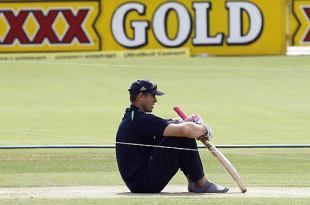
- Different place, different experience. Though the aim of the bio-bubble is to limit outside contact and keep players safe, different regions have different rules. Thus, the bio-bubble experience itself might vary place to place. The facilities that might be available at a certain hotel might not be provided at another. The restrictions might be lax in some areas but tighter in others. This makes it hard to mentally prepare for a certain bio-bubble and requires a great deal of adjustment and adaptability.
Different players have found different ways to cope. Some of them catch up on their reading and maintain a strict routine in fitness and diet. Some of them have used social media to communicate effectively. Some of them have used the time to interact with their team-mates and bond, even though they are distanced. It can be seen from many instances that it was a matter of attitude or perspective, just like on-the-field problems themselves.
The main psychological factors that contribute to mental and emotional stress in a bio-bubble are:
- No physical contact. Humans are social animals and we love to touch and be touched. This goes on farther than familial contexts and can be applied even for sports teams. Teams whose members touch each other more positively are known to perform better as a unit. Oxytocin, which is important for stress-reduction and general well-being, is not released when there is a lack of touch. When there is a lack of touch for an extended period of time, it can increase feelings of stress, depression and anxiety. This makes it hard to whole-heartedly accept and adjust to a bio-bubble.
- Overstimulation/Understimulation. We can get the latest news updated every second in a single touch, right in the palm of our hands. And being in a secluded room, it is easy to drown in social media. But getting fed so much information can lead to mental fatigue. The news is not filtered and we might read things that lead to stress and anxiety, sometimes over our loved ones. If stress or anxiety, overstimulation can lead to constant rumination and an overactivity of the brain which inturn may cause sleeplessness. The opposite of overstimulation, i.e. understimulation, can also lead to mental fatigue. Not having interesting activities and being bored by the same old dull routine can also get you stressed and anxious.
- Uncertainty. If this pandemic has taught us one thing, it is how uncertain we are about the future. When we are isolated, this feeling is exaggerated. It can tag along with feelings of helplessness and lack of control. Not knowing what tomorrow might bring can be one of the greatest excitements of life. But this doesn’t happen always. More than often, it is the opposite. It brings fear and worry, which have been constant in almost everyone’s life ever since the start of the Covid-19 pandemic.
In the next post, we shall read some of the positive coping strategies players can adopt during a bio-bubble experience.
KEEP READING….



 MindYourWicket
Leave a reply to EMPATHY IN CRICKET – MindYourWicket Cancel reply