
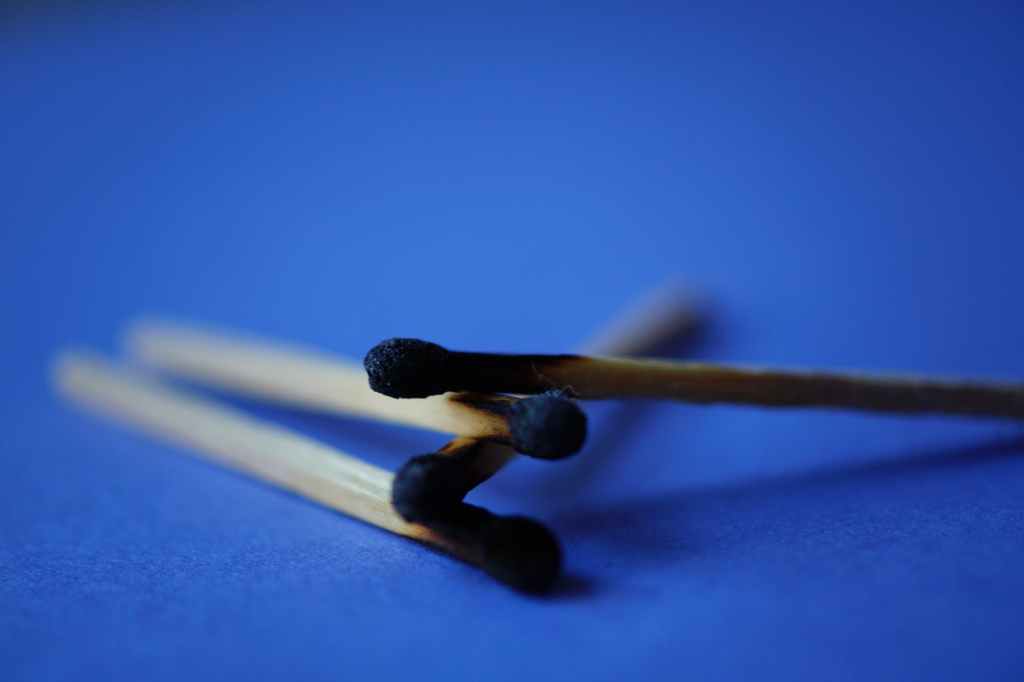
An athlete’s life is certainly not easy. You have to put in extra hours of dedicated hard work and countless amounts of sweat and toil throughout the year, to play professionally just for a few months. And this is if you make it pro. If you are an upcoming athlete, most of the time the effort seems to be in vain, especially when you don’t get enough opportunities to prove yourself on the field.
All this coupled with inadequate time for rest and recovery can lead to a state of ‘Burnout’. When a person is said to be going through Burnout, it means he/she is physically and mentally exhausted. They can become demotivated, fatigued and depressed, presenting themselves with several other physiological symptoms. For an athlete, this condition is very risky and can also be a career-stopper. As always, prevention is better than cure. And it is important to be educated and aware of Burnout as early as possible.
What are the different signs and symptoms of Burnout?
- Physiological indicators such as having a higher resting heart rate and increased blood pressure
- Changes in sleep patterns
- Changes in eating behaviors
- Presenting chronic fatigue
- Irritability, moodiness, lack of interest
- Deterioration of cognitive abilities such as problems in concentration, lack of focus, memory issues, etc.
- Stress and anxiety
These are some of the symptoms that parents, guardians and friends of the athlete might report. Being a coach, you can identify some other symptoms that the athlete might show during training and practice.
- Issues in completing basic practice routines
- Decrease in strength and endurance
- Lack of interest in the sport
- Decrease in motivation
- Frustration with the sport and the athlete lifestyle
- Problems in achieving the set goals
Now that we know the various signs and symptoms of burnout, let’s look at some of the ways this state can be prevented.
- Self-awareness:
As an athlete, emotional awareness and emotional regulation are psychological necessities. Due to the lack of basic psycho-education, most of the sportspersons do not have knowledge of either of these skills. Unfortunately, many coaches are also unaware or simply do not inculcate these important mental pillars.
However, being aware of your emotions means you’ll know what patterns you follow when you’re undergoing stress and fatigue. You’ll also know when to slow down or stop playing and when to go back to the field. Meditation, journaling, reading, all help in improving self-awareness. Ask your Sport Psychologist for different psychometric tests on self-awareness. The better you are aware of your emotions, the better you can regulate them and prevent burnouts.

- Proper planning:
Many athletes follow their own plans for training. Though they may have knowledge of the sport, the physical training it requires and also their own individual needs, it might lead to improper training or overtraining. The former can decrease performance, while the latter can lead to a burnout. Investing in a team which can plan your training (technical, physical and mental) will not only help you tap your entire potential, but also prevent injuries and burnouts. A proper plan will be well-balanced between training and recovery and prevent overuse and strains of various muscle groups, while keeping you motivated and refreshed throughout.

- Just play:
Many studies have shown that athletes who play and participate in other activities other than their own sport during the off-season have lesser injuries and better balance. Playing other sports not only improve your strength and endurance but also make physical workouts fun, entertaining and motivating. It also teaches lessons in sportsmanship while giving insights into strategy and tactics. Most importantly, it can prevent burnouts by providing better conditioning and giving you different goals to work on.

- Rest, rest, rest:
Sportspersons are pressured to be constantly improving. And adequate rest is considered to be a waste of time. But proper rest is necessary, not just for the body but also the mind.
Sleep is the number one form of rest and athletes should manage to get a full 8-9 hours of sleep time. In addition to the quantity, the quality of sleep should also be satisfactory. Following proper Sleep Hygiene can be helpful in this matter.
As the name itself suggests, rest days are for resting and are meant to be taken regularly. Many athletes have a love-hate relationship with rest days, some thinking of them as wasting time and many thinking they would send them into a lazy spiral. While you train hard and discipline your body throughout the week, it is important to take one day of complete rest to relax and recover. It doesn’t necessarily mean being passive all day. You can take part in active relaxing exercises like, going out, reading a book, watching a movie, taking a walk, going out on a date, etc. It basically means taking your mind off your sport to focus on something else. This helps your mind refresh and continue your training more positively and effectively.
Hobbies & other interests don’t actually sound like rest. But they do form an important of it. It is important for you to develop holistically as an athlete. Athletes who have other interests and hobbies outside their sport tend to be lesser prone to burnouts, and have better work-life balances. It is thus important to have interests that keep you learning and shaping your character, leading to better performances on the field as well.

Final thoughts:
Just as regular training is important for an athlete, regular rest is also important. Talk to your coach today and develop a plan that helps you rest better and play better.




 MindYourWicket
Leave a reply to How to choose your cricket role model? – MindYourWicket Cancel reply